|

|
1/17/2026
|
|
When:
|
Saturday, January 17, 2026
10:00 AM - 1:00 PM
|
|
Where:
|
HOSTED VIRTUALLY - NO RECORDING AVAILABLE
United States
|
|
Presenter:
|
Rachel Sacharoff, LMFT
|
|
Contact:
|
Dr. Jill Burchell
support@nymhcainstitute.org
800-4-NYMHCA
|
|
|
« Go to Upcoming Event List
|
|
|
(This is a LIVE VIRTUAL event. Access to a recording will not be available.) Pricing Non-Members: $75 NYMHCA Members: $60
NYMHCA Student Members: Free Continuing Education Credits NYS LMHCs: 3.0 CE hours NYS LMSWs and LCSWS: 3.0 CE hours NYS LMFTs: 3.0 CE hours NYS Licensed Psychologists: 3.0 Contact hours NYS OASAS Credentials Renewal: 3.0 CE hours NBCC Credit: 3.0 CE hours Presented by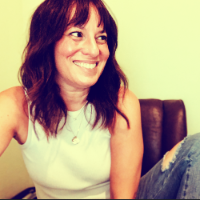 Rachel Sacharoff, LMFT
Most therapists are trained to read behavior- but what happens when the signals don’t match the manual? Neurodivergent clients communicate through a complex language of nervous system responses that traditional training often misses. A shutdown gets labeled as resistance. Sensory overload is mistaken for a mood episode. Rigid thinking is pathologized without curiosity about what it might be protecting. When a client says “I don’t know,” it’s dismissed as avoidance, when it may reflect alexithymia, interoceptive challenges, or a need for more processing time.
These misreadings don’t just affect diagnosis, they fracture the therapeutic relationship at its foundation.
This workshop introduces a sensory-relational lens to help clinicians move beyond surface behaviors and toward the sensory and relational needs driving what they observe. You’ll learn to recognize the difference between resistance and nervous system protection, between avoidance and genuine processing differences.
We’ll explore what neurodivergent-affirming practice looks like in action: prioritizing autonomy over compliance, validating communication differences rather than correcting them, and adapting your approach to meet nervous system needs instead of imposing neurotypical expectations.
Through real-world case vignettes drawn from lived experience and clinical practice, participants will examine how therapeutic environments and therapist responses can unintentionally reinforce ableist dynamics—and learn strategies to shift these patterns. You’ll discover how to create regulation-aware therapeutic spaces where neurodivergent clients can show up authentically, without the exhausting work of masking.
This isn’t about adding another technique to your toolkit. It’s about fundamentally reframing how you understand and respond to the neurodivergent clients already in your practice—and helping them feel truly seen and safe, perhaps for the first time in therapy.
Learning Objectives
As a result of attending this course, learners will be able to:
- Identify common clinical misinterpretations of neurodivergent traits including: shutdown, alexithymia, black-and-white thinking, and sensory overload, that can lead to therapeutic misattunement.
- Describe core principles of neurodivergent-affirming therapy, including how to support autonomy, validate communication differences, and adapt to nervous system needs.
- Apply a sensory-relational lens to assess client behavior and differentiate between surface-level presentations and underlying sensory or relational needs.
- Evaluate clinical vignettes to distinguish pathologizing assumptions from affirming, regulation-aware conceptualizations, and describe shifts in therapist behavior that support ND client safety and authenticity.
About Rachel SacharoffRachel Sacharoff, LMFT is a licensed marriage and family therapist practicing in Connecticut, New York, and Vermont, and the founder of Whole Soul Counseling, a group practice in Stamford, CT. She is an AAMFT Approved Supervisor who provides clinical supervision to graduate interns and associate clinicians, and has served as an adjunct professor in the MFT program at Fairfield University.
Rachel is the creator of Rachel Ruins Therapy (RRT), a platform dedicated to challenging clinical norms and building a more neurodivergent-affirming field. She is currently writing Sensory Relational Therapy, a book introducing her original model that integrates sensory processing and family systems theory to reframe how regulation is understood in relationships.
With extensive experience working with individuals, couples, and families impacted by substance use, trauma, and neurodivergence, Rachel blends clinical depth with lived perspective as a late-diagnosed neurodivergent therapist.
Across her clinical practice, teaching, writing, and speaking, Rachel bridges rigorous systems theory with creativity, humor, and humanity, pushing the field forward while making space for therapists and clients to show up authentically.
|
|
|


